A used engine or transmission warranty can be the difference between a bad week and a very expensive month. But most buyers only read it after something goes wrong, and that's usually when they find out the failed part wasn't covered, or that something they did during the install quietly voided the whole thing.
This guide walks through what a typical used engine warranty actually covers, the common things that void it, and how a claim really works. We'll use the State Auto Parts 2-year limited warranty as the worked example because we can quote it exactly, and we'll point out where other sellers' terms tend to differ. Most of it applies to used transmissions too.
The Short Answer
A used engine warranty usually covers the core assembly and its internal mechanical parts against defects in materials or workmanship. It usually does not cover:
- Bolt-on accessories, sensors, wiring, hoses and belts
- Labor to remove, install or diagnose the part
- Damage from overheating, low oil, skipped maintenance or a bad install
- Towing, a rental car or lost time
- Normal wear, or the exact mileage on the donor vehicle
In other words, it protects you against the engine itself being bad. It does not protect you against everything that can go wrong around it.
What a Used Engine Warranty Covers
The core component
The State Auto Parts policy covers "the main core component as described in your purchase," with examples like the engine block and the transmission case. For an engine, that's the block and the assembly you bought. For a transmission, it's the case and what's inside it.
Internal mechanical parts
The warranty also covers the internal moving parts of that core: pistons, crankshaft, camshaft and transmission case internals are the examples the policy gives. These are the parts that cost the most to replace and the ones you can't easily inspect before you buy, which is why they're the point of the warranty.
Other sellers list their covered parts in a similar way. Published policies from other used engine suppliers typically name the block, cylinder heads, pistons, crankshaft, camshafts and valvetrain parts, and some also include the oil pump.
Defects, not damage
Coverage applies to failures caused by a defect in materials, manufacturing or original build quality, as long as the part was installed properly and used under normal conditions. That last condition matters. If a used engine spins a bearing because of an internal defect, that's a warranty issue. If it spins a bearing because it ran low on oil, it isn't.
How long it lasts
At State Auto Parts, coverage runs for two years from the date of delivery, not from the install date. Any claim has to be started inside that two-year window.
What a Used Engine Warranty Usually Does Not Cover
Bolt-on accessories and external parts
This is the exclusion that surprises people most. A used engine often arrives with parts still attached: an intake manifold, a fuel rail, sensors, coils, maybe an alternator or a water pump. Those parts came off the same donor vehicle, but they are generally not part of the warranted core.
The State Auto Parts policy excludes "bolt-on accessories, wiring, sensors, hoses, belts, and other peripheral components not part of the core assembly." Other suppliers spell out similar lists, often naming manifolds, water pumps, injectors, turbochargers, valve covers, oil pans and flywheels. If you want to understand which parts typically ride along with each type of engine, our guide to long block vs short block vs complete engine breaks that down.
Practical takeaway: if an attached sensor or accessory looks worn, plan to replace it with a new part during the install rather than counting on the warranty.
Labor, towing and other costs
The warranty covers the part. It does not reimburse labor for removal, reinstallation or diagnostics, and it excludes incidental costs like towing, rental cars and loss of use. That's standard for used parts. Some sellers sell separate labor coverage, but you should assume there is none unless it's written into the terms.
This is the single biggest reason to get the right part the first time. Our guide on how to match a used engine to your car with the VIN and engine code covers the fitment checks that prevent a second install.
Damage caused by the install or by neglect
The policy excludes damage from misuse, neglect, improper installation, overheating, fluids not being changed, and non-OEM-compatible parts or fluids. In practice, the failures that most often fall into this bucket are:
- An engine run hot because the cooling system wasn't fixed when the old engine failed
- Oil starvation from a clogged cooler, a wrong filter or a low fill
- Debris from the old engine left in the oil cooler or lines
- A transmission run on the wrong fluid type
- A transmission that was never programmed or relearned when it needed to be (see our guide on whether a used transmission needs to be programmed)
Mileage and normal wear
Used parts have miles on them. The warranty states that mileage is not guaranteed and that normal wear is not covered. Listings show a mileage range for the donor vehicle, for example this 2019 Chevy Tahoe 5.3L used engine lists 56,436 to 64,901 miles, but that's a best-knowledge figure, not a promise.
Cosmetic condition
Paint, surface rust, stains and mismatched colors aren't covered. Used engines and transmissions are cleaned and inspected, but they're not refinished.
The Conditions That Keep Your Warranty Valid
Most warranty claims that get denied aren't denied for the reasons in the exclusion list. They're denied because one of the conditions wasn't met. Here are the State Auto Parts requirements, and why each one exists.
| Condition | What it means in practice |
|---|---|
| Install within 10 business days of delivery | Book the shop before the part ships. A part sitting in a garage for a month can void coverage unless agreed in writing. |
| Installed by a qualified technician to OEM standards | Use a professional shop that follows the factory procedure. Keep the invoice. |
| Maintenance on schedule with the right specs | Oil, filters, fluids and seals at the intervals your vehicle calls for. Keep receipts. |
| Same assembled condition as shipped | Don't open or disassemble the engine or transmission without written approval. |
| Serial and ID numbers intact | Don't grind off, paint over or remove tags and stampings. |
| Claim started within 2 years | Report the problem as soon as you notice it. |
The 10-business-day install window
This one catches people out. If your shop is backed up for three weeks, coverage can be at risk. Ten business days is two working weeks, so schedule the install before you order and have the vehicle ready. The shipping policy explains delivery timing so you can plan around it. If you know you'll need longer, ask for an extension in writing before the part arrives.
Don't open it up
It's tempting to pull the oil pan or valve cover "just to look." Don't, at least not without written approval. Opening, disassembling or modifying the unit can void the warranty, and the refund and return policy says a unit that's been opened or disassembled won't qualify for a refund or exchange either. Moving bolt-on external parts from your old engine is normal installation work. Taking the engine itself apart is not.
Keep paperwork
If you ever make a claim, you may be asked for the installer's invoice, maintenance records and a diagnostic report. Put the shop invoice, oil change receipts and the order paperwork in one folder the day the job is done.
Can Using an Independent Shop or Aftermarket Parts Void the Warranty?
Not by itself, at least not under federal law. The Magnuson-Moss Warranty Act bars warrantors from conditioning coverage on the use of a particular brand of part or service unless it's provided free. The FTC's rule at 16 CFR 700.10 gives the example that a clause like "this warranty is void if service is performed by anyone other than an authorized dealer" is prohibited when that service isn't covered by the warranty.
What a warrantor can do is exclude damage that was actually caused by an unsuitable part or a bad repair, and deny coverage where it can show that's what happened. The FTC's Businessperson's Guide to Federal Warranty Law explains this distinction.
That lines up with how a used engine warranty usually reads. You're free to use any qualified independent shop. But if the shop installs the wrong thermostat and the engine overheats, the resulting damage isn't a defect in the engine. That's why "non-OEM compatible parts or fluids" and "improper installation" sit on the exclusion list, and why your installer's work matters as much as the part.
This section is general information, not legal advice. Federal warranty law applies to consumer products, and your state may give you additional rights.
How a Used Engine Warranty Claim Works
If you think a covered part has failed, here's the process at State Auto Parts, step by step:
- Stop driving if it's safe to. Continuing to drive with a knock, a misfire or a slipping transmission can turn a covered failure into an uncovered one.
- Contact support at (800) 241-8053 or support@stateautoparts.com with your order number, vehicle year, make and model, the part's serial or tag number, and a description of the problem.
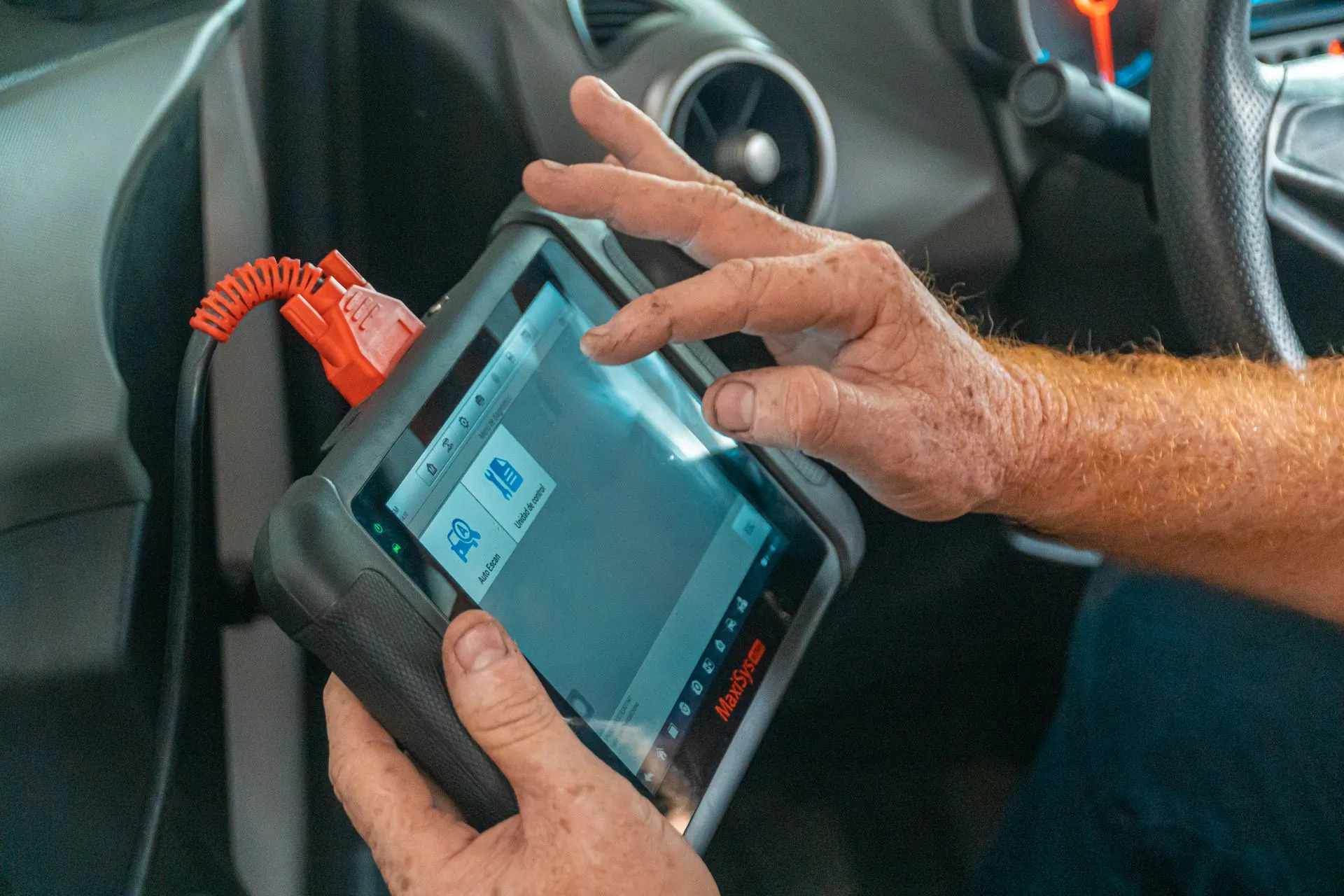
- Get a diagnosis. You may be asked for a diagnostic report from an ASE-certified facility or equivalent that documents the malfunction, the cause and the condition of the surrounding systems. Diagnostic time is not reimbursed, so ask the shop for a written report, not just a verbal opinion.
- Wait for approval before removing anything. Once a claim is approved, you'll get return shipping instructions. The customer may be responsible for return freight unless stated otherwise.
- Resolution. The seller decides whether repair, replacement or credit is appropriate.
Two things help a claim go smoothly: a clear diagnostic report that points to an internal failure, and records showing the install and maintenance were done properly.
Warranty Questions to Ask Before You Buy
Warranty length gets the attention, but terms like these often matter more. Before you order from any used parts seller, ask:
- Does the warranty start at delivery, at purchase, or at installation?
- Which exact parts count as the covered core, and which attached parts are excluded?
- Is labor covered at all? Is it available as an extra?
- How many days do I have to install it?
- Do I need a professional installer, and what proof do you need?
- Can my shop remove external parts or do any inspection without voiding coverage?
- Who pays freight on a warranty return?
- Is the warranty transferable if I sell the vehicle? (The State Auto Parts warranty is for the original purchaser only and is not transferable.)
If you're still comparing options, our guides on what to look for when buying a used engine and used vs rebuilt vs remanufactured engines explain how warranty coverage typically differs between the three.
Used Transmission Warranties Work the Same Way
The same 2-year limited warranty applies to used transmissions, with the transmission case and its internals as the covered core. The install-window, maintenance and no-disassembly conditions all apply. The transmission-specific risks to watch are using the correct fluid, flushing or replacing the cooler and lines, and completing any programming or relearn the vehicle needs.
For example, a listing like this 2022 Toyota RAV4 used transmission or this 2023 Ford Escape 1.5L used transmission shows the donor mileage and grade up front, and the warranty terms are the same as for engines. Before you buy, our guide on how to check a used transmission before you buy covers the inspection steps that keep you within the rules.
Install Checklist to Protect Your Warranty
Hand this to your shop:
- Confirm the replacement matches your VIN, engine code or transmission code before it goes in.
- Find and fix the cause of the original failure, especially overheating, oil starvation or a failed cooler.
- Flush or replace the oil cooler and lines, and the transmission cooler on a transmission job.
- Replace the oil and filter, coolant and thermostat, and use the fluids your vehicle specifies.
- Replace worn sensors, belts and hoses with new parts rather than relying on used ones.
- Don't open the engine or transmission itself without written approval.
- Complete any programming or relearn the vehicle requires.
- Keep the shop invoice and all later maintenance receipts.
Bottom Line
A used engine warranty covers the engine itself: the core assembly and its internal parts, against real defects. It doesn't cover the accessories bolted to it, the labor to install it, or damage caused by heat, neglect or a rushed install. The conditions matter as much as the length, so install within the window, use a qualified shop, keep records and leave the engine sealed.
If you're shopping now, you can browse used Chevy Tahoe engines, look at a unit like this 2023 Jeep Wrangler 3.0L used engine, or call (800) 241-8053 to check fitment and warranty terms before you order.