You found a good used transmission, the price is right, and your shop has a bay open. Then someone asks the question that trips up a lot of buyers: does it need to be programmed?
The honest answer is: it depends on the vehicle. Some transmissions bolt in, get fresh fluid and drive away. Others will not shift properly, or will not move at all, until a technician connects a scan tool and does some computer work. Knowing which group your vehicle falls into before you buy saves you a tow, a return, and a lot of frustration.
This guide explains what "programming" really means, which kinds of transmissions usually need it, what to ask before you order, and how to plan the install so your warranty stays intact.
The short answer
- Older automatics controlled by the engine computer often need nothing more than a reset of the learned shift data and a test drive.
- Transmissions with a control module mounted on or inside the case usually need that module programmed (or re-coded) to your vehicle, because it still carries the donor vehicle's software and VIN.
- Some modern units are tied into the anti-theft system. On these, a used transmission can be very hard or impossible to make work without dealer-level tools, and sometimes not at all.
- Manual transmissions almost never need programming, although the vehicle may still need a clutch position or sensor relearn.
If you remember one thing, make it this: the location of the transmission control module (TCM) decides most of the story.
"Programming" is really three different jobs
People use one word for several separate procedures. When you talk to your installer, it helps to know which one they mean.
1. Adaptive reset (relearn)
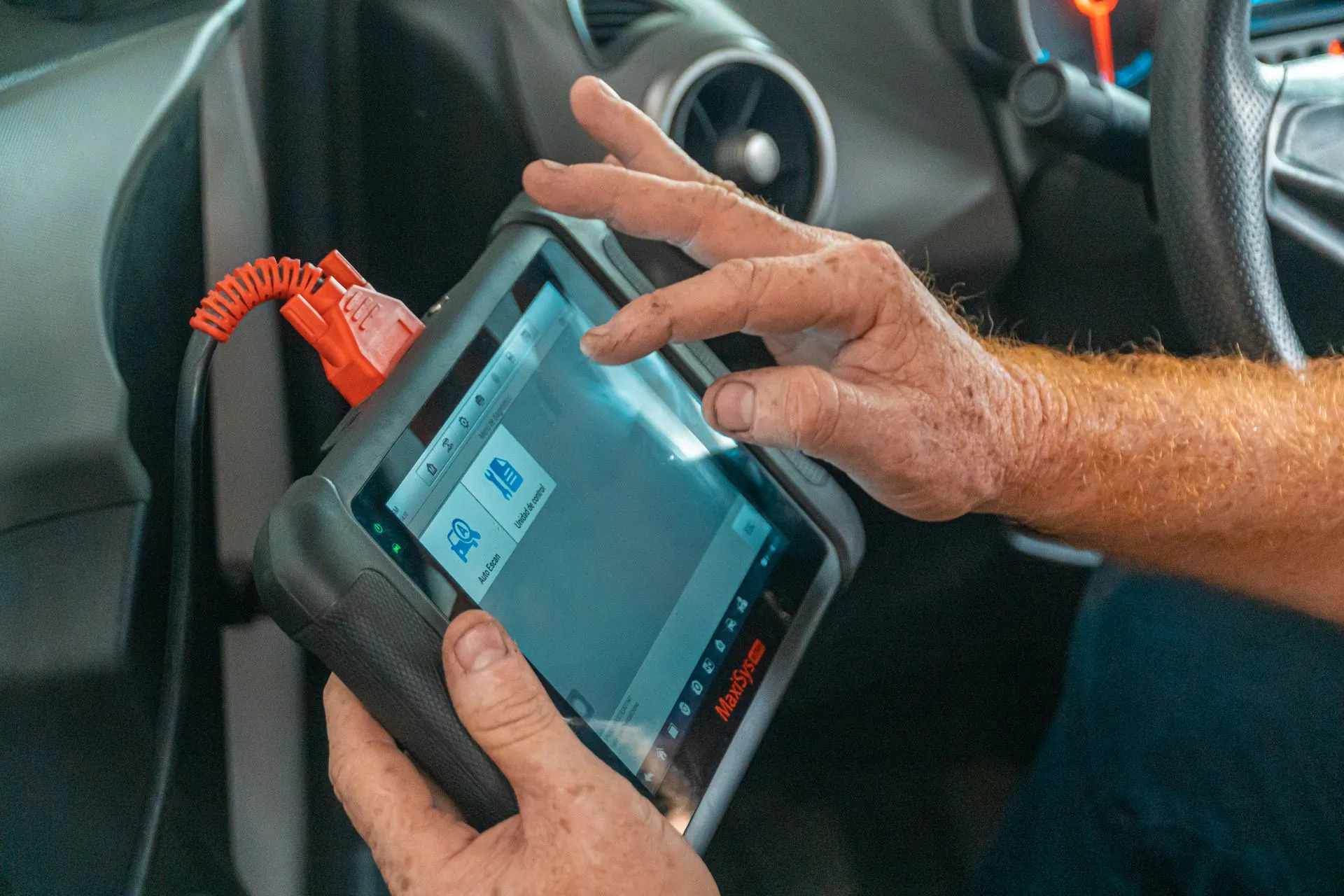
Every modern automatic "learns" how to shift over time. The computer adjusts pressures and timing to make up for wear in the clutches and solenoids. When you install a different transmission, that learned data belongs to the old unit. Clearing it with a scan tool lets the computer start fresh and learn the replacement.
Many vehicles finish this relearn on their own during normal driving. Others need a specific procedure or drive cycle. A reset is quick and cheap compared with the other two jobs, and almost every used transmission benefits from one.
2. VIN and configuration coding
A control module stores information about the vehicle it was built for: the VIN, engine size, axle ratio, tire size, 2WD or 4WD and other options. If the module came with the used transmission, it still thinks it lives in the donor vehicle. Coding updates it to match yours. Without it, you can see communication codes, a "VIN mismatch" message, wrong speedometer readings or odd shifting.
3. Software flash (calibration)
This is full reprogramming. The technician loads the correct factory software into the module, usually the latest version the manufacturer offers for your VIN. It normally requires a factory scan tool or a pass-through (J2534) device with a paid subscription to the manufacturer's service site, plus a stable battery supply during the process.
Why the TCM's location matters most
Here is a simple way to think about the different designs you will run into.
| Where the shift computer lives | What usually happens with a used transmission |
|---|---|
| Inside the engine computer (PCM), common on many older automatics | Reset adaptive data, drive, done. Sometimes a quick relearn procedure. |
| Separate module somewhere in the vehicle (under the dash, in the engine bay) | You keep your original module. A reset or relearn is usually enough, though some brands also want calibration data loaded for the new unit. |
| Mounted on or inside the transmission (in the valve body or solenoid pack) | The module arrives with the donor's software. Plan on coding or a full flash to your vehicle. |
| Part of the anti-theft system | Modules are paired to each other. Used units may not work without special procedures, and some makers say they won't work at all. |
When the module stays in your car, you have a big advantage: it already knows your VIN and options. When the module comes with the transmission, you inherit someone else's settings.
Common examples by brand
Programming rules vary by year, engine and transmission, so treat these as starting points to discuss with your installer, not final answers.
GM 6-speed and later automatics (Silverado, Sierra, Tahoe and others)
GM's 6L-series 6-speeds put the control module inside the transmission, as part of the solenoid body. Later 8- and 10-speed automatics follow the same basic idea. Because the module travels with the unit, a used one comes with the donor's calibration. Programming it to your truck is normally part of the job.
One detail catches even experienced techs: during programming, the tool may ask for the engine and transmission RPO codes. Get them from the Service Parts Identification label (usually in the glove box) instead of guessing. If you are shopping for a truck in this family, browse used Chevy Silverado 1500 transmissions with your RPO code handy so you can match the exact unit.
Ford PowerShift dual-clutch (Focus and Fiesta)
The PowerShift automatic in the 2012-2018 Focus and the Fiesta is well known for needing more than a flash. Ford's procedure calls for updating the module and then running a series of adaptive learning steps (range sensor, shift drums, clutch touch points), followed by a drive cycle. Skipping those steps can leave the car with harsh engagement, shudder or no movement at all.
If you're pricing one, check the transmission type carefully on used Ford Focus transmissions, because the same model year was also sold with manual gearboxes, and a manual unit won't swap in place of the automatic.
Nissan CVTs (Rogue, Altima, Sentra and others)
Nissan's continuously variable transmissions are controlled by a separate TCM, so you generally keep your own module. But the transmission's internal parts have their own calibration values, and Nissan's procedure for a replaced transmission assembly includes loading that data into the TCM and resetting the stored fluid-condition data. A shop with a Nissan-capable scan tool handles this routinely. A shop without one can end up with a CVT that slips, shudders or sets codes.
Browse used Nissan Rogue transmissions to see how listings break down by engine and drive type. For example, this 2023 Nissan Rogue 1.5L used transmission is listed for FWD models. Matching the drive layout matters as much as the year.
FCA 8-speed automatics (Jeep, Ram, Dodge, Chrysler)
The 8-speed automatics used across Jeep, Ram and other FCA vehicles (codes like 845RE and 850RE) are built on a ZF design with the control electronics inside the transmission. Software has to match the vehicle, and the calibration cannot simply be changed to anything you like with the factory tool. Transmission trade publications have documented cases where a unit pulled from a V8 vehicle would not work properly behind a V6, even though it bolted up.
That's why the option code on a listing matters. This 2023 Jeep Grand Cherokee 3.6L used transmission shows "opt DFT (850RE), 4x4" right in the listing, which is exactly the detail you want to compare against your own vehicle. You can see more options on the used Jeep Grand Cherokee transmissions page.
BMW with ZF 6- and 8-speed automatics
This is the strictest case. On many BMWs with the EWS 4 anti-theft system, the transmission's control unit is paired with the engine computer and other security modules. BMW has stated in a service bulletin filed with NHTSA that a salvage-yard transmission can't be installed in those vehicles without affecting the ability to select a gear, and it recommends factory remanufactured units instead. If you own a newer BMW, talk to a BMW specialist before buying any used automatic.
What to ask before you buy
Asking these questions up front costs nothing and can save you a return.
- Does my vehicle's TCM live in the transmission, in the PCM, or as a separate module? Your installer or a dealer service department can tell you from the VIN.
- Will the used unit need coding, a flash, or just a relearn? Get the answer in writing on your repair estimate.
- Can my installer do it in-house? If not, find out who will: the dealer, a mobile programming service or a transmission specialist.
- Does the listing match my option code exactly? Year, engine, drive type and transmission code all need to line up. Our guide on how to match a used engine to your car explains how to read VIN and option codes, and the same logic applies to transmissions.
- Is programming included in the installation quote? Many shops price it separately. Ask so it doesn't show up as a surprise on the final bill.
For a broader pre-purchase checklist, including fluid, case damage and fitment checks, read how to check a used transmission before you buy.
Planning the install step by step
A smooth job usually follows this order:
- Confirm the programming plan before the old transmission comes out. Know which tool and which procedure your vehicle needs.
- Record your vehicle's info. Write down the VIN, engine and transmission codes, and (for GM) the RPO codes from the label.
- Install the unit and fill it with the correct fluid. Use the exact fluid spec your manufacturer lists. Some units are shipped dry.
- Program before you drive. On some designs, starting the engine with an unprogrammed internal module can cause damage, so follow the service procedure for your vehicle.
- Run the reset and relearn steps. Clear old adaptive data and complete any guided learning procedure.
- Do the drive cycle. Drive the way the service information describes so the computer can finish learning shift points.
- Re-scan for codes and check the fluid level after the vehicle reaches operating temperature.
Keep every invoice and scan report. If something goes wrong later, that paperwork shows the transmission was installed and set up correctly.
Programming, warranties and returns
This is where buyers sometimes lose money without realizing it.
A transmission that "won't shift" right after installation often isn't defective at all. It may simply be missing its programming or relearn. Transmission industry trainers have pointed out that units returned as defective sometimes turn out to have never been programmed. Before you pull a transmission back out, have a qualified shop confirm the setup was finished.
At State Auto Parts, a few policy points are worth knowing before install day:
- Install within 10 business days of delivery. Our warranty requires installation within ten business days unless agreed otherwise in writing, so line up your programming plan before the unit arrives.
- Use a qualified technician. The warranty requires installation by a qualified technician following manufacturer standards, which includes any required programming and relearn steps.
- Labor and diagnostics aren't covered. Programming fees, towing and diagnostic time are not reimbursed, so include them in your budget.
- Don't open the unit. Units that have been disassembled or tampered with lose their eligibility. Removing a valve body just to swap a control module can count as tampering, so ask before you do it.
- Mis-orders cost you freight and a fee. Our refund and return policy explains the 25% processing fee and freight charges if a part was ordered wrong. Checking programming needs and option codes first is the best way to avoid that.
For delivery details, including commercial versus residential delivery, see our shipping policy.
Should programming change which transmission you buy?
Sometimes, yes. Here's how to think about it:
- If your car uses PCM control or a separate TCM, a used transmission is usually a straightforward, cost-effective repair. Focus on mileage, condition and an exact code match.
- If the module is inside the transmission, a used unit can still be a great value. Just add programming to your budget and confirm a local shop can do it before you order.
- If your vehicle ties the transmission into its anti-theft system, get a specialist's opinion first. In a few cases, a factory remanufactured unit is the only practical option.
Programming is rarely a reason to skip a used transmission. It's a reason to plan ahead. When you're ready, browse all used transmissions by make and model, and have your VIN and option code handy so you get the right unit the first time.