When an engine fails, most people look up the price of a replacement engine first. That's only part of the bill. Labor, delivery, fluids, new parts and fees that weren't on the first quote all add to it.
This guide breaks a used engine replacement into its real cost pieces, shows where each number comes from, and gives you a simple way to build your own estimate before you order anything. We use published industry data for the general ranges and real State Auto Parts listings for the worked examples. Prices change daily and every vehicle is different, so treat every range here as a starting point, not a quote.
The Short Answer
A used engine replacement costs the price of the engine plus the shop's labor plus delivery, related parts, fluids, fees and tax. Two numbers drive almost all of it:
- The engine. Across 29,646 priced salvage-yard listings, Part Price Guide found a national median of $2,400 for a used engine, with model medians running from $600 to $7,958 (Part Price Guide, August 2026).
- Labor. The same analysis says engine swaps are usually quoted at 8 to 20 hours. AAA reports that shop labor rates run from under $100 to over $200 an hour, with almost half of shops charging $120 to $159 (AAA, citing the 2025 PartsTech shop survey).
Put those together and labor alone at a typical shop works out to roughly $960 (8 hours at $120) to $3,180 (20 hours at $159). Shops outside that rate band will land lower or higher.
Cost 1: The Engine Itself
The engine is usually the biggest single line, and it varies more than anything else on the bill.
What moves the price
- Engine size and type. A four-cylinder from a high-volume commuter car is cheap and plentiful. A V8, a diesel or a high-output performance engine costs far more.
- The vehicle it came from. Part Price Guide's data shows a Nissan Rogue engine at a $600 median and a BMW X5 engine at $7,958, even though both are crossovers.
- Model year and mileage. Newer, lower-mile donors cost more. Our guide on how many miles is good for a used engine explains how to judge donor mileage for its age.
- Condition grade. In the same dataset, Grade C engines had a $1,700 median versus $2,358 for Grade A.
- Warranty and testing. A tested engine with a long written warranty usually costs more than an untested pull with a 30-day guarantee. That difference is part of what you're buying.
Salvage-yard medians by model
These medians come from Part Price Guide's August 2026 analysis of salvage-yard asking prices. They're useful for a sense of scale, but they mix every model year, mileage and grade together.
| Vehicle | Median used engine price | Priced listings |
|---|---|---|
| Nissan Rogue | $600 | 608 |
| Honda Civic | $700 | 1,161 |
| Toyota RAV4 | $1,750 | 843 |
| Hyundai Elantra | $2,400 | 1,197 |
| Ford F-150 | $3,900 | 875 |
| GMC Sierra 1500 | $4,600 | 802 |
| Chevy Tahoe | $5,520 | 538 |
| BMW X5 | $7,958 | 556 |
Source: Part Price Guide, used engine cost analysis, last updated August 8, 2026.
Real listings from late-model donors
Late-model, lower-mile engines sit well above those all-years medians. Here's what a few State Auto Parts listings showed when this guide was written (October 2026). Each product page shows a price range that depends on condition and grade, and the exact price appears at checkout.
- A 2023 Nissan Rogue 2.5L used engine listed at 58k-67k miles, Grade B was listed at $1,893 to $2,082.
- A 2023 Toyota Camry 2.5L used engine listed at 55k-63k miles, Grade A was listed at $3,177 to $3,495.
- A 2023 Ford F-150 5.0L used engine listed at 57k-65k miles was listed at $5,208 to $5,729.
- A 2022 Chevy Silverado 1500 5.3L used engine listed at 57k-66k miles was listed at $7,024 to $7,726.
- A 2019 Jeep Grand Cherokee 6.2L used engine listed at 55k-64k miles, the supercharged high-output engine, was listed at $14,842 to $16,326.
The spread inside a single model is just as telling. Part Price Guide found a $3,800 median for a Silverado 1500 5.3L V8 but $7,850 for the 6.2L V8 in the same truck, so price the exact engine your vehicle uses. You can browse by make and model from the used engines catalog.
Cost 2: Labor
Most shops don't bill an engine swap by the clock. AAA explains that flat-rate pricing is far more common than true hourly billing: the shop looks up the industry-standard time for the job in a flat-rate manual or program, known as "book time," and multiplies it by its labor rate.
Why labor hours vary so much
The 8-to-20-hour range is wide for good reasons:
- Layout. Part Price Guide notes that transverse front-wheel-drive engines in tight bays often take longer than a body-on-frame truck V8.
- Drivetrain and access. Some vehicles need extra components removed to reach the engine, and on some the engine and transmission come out together.
- What arrives with the engine. If the replacement is a long block, your shop has to move intake, sensors, accessories and other parts over from the old engine, which adds time. A more complete engine can cut that work. Our guide to long block vs short block vs complete engine shows what typically comes with each.
- Extra work done at the same time. Timing service, seals and mounts add hours, but usually far fewer than doing them later as separate jobs.
Labor at different rates
Here's what the sourced hour range looks like at a few points in AAA's typical rate band. Your shop's rate and the book time for your vehicle are what actually matter.
| Book time | At $120/hour | At $140/hour | At $159/hour |
|---|---|---|---|
| 8 hours | $960 | $1,120 | $1,272 |
| 12 hours | $1,440 | $1,680 | $1,908 |
| 16 hours | $1,920 | $2,240 | $2,544 |
| 20 hours | $2,400 | $2,800 | $3,180 |
Ask the shop for the book time on your exact vehicle and engine, and whether it covers transferring parts from your old engine.
Cost 3: Delivery and Core Charges
Delivery and core terms vary a lot between sellers, so compare them line by line.
Freight. Engines ship by freight, not parcel. At State Auto Parts, delivery is free to commercial addresses in the lower 48 states, and a $250 residential delivery fee applies to home addresses. A liftgate is available at no extra charge if you request it at checkout, and most orders arrive within 3 to 5 business days after processing. Shipping to Alaska, Hawaii or Puerto Rico needs a freight quote first. Full details are on the shipping policy page.
The easy saving is to ship the engine straight to the shop doing the install, which is a commercial address and saves moving the engine twice.
Core charge. Many salvage yards hold a refundable core charge until you return your old engine. Part Price Guide puts it at $200 to $500 at many yards. It's not a final cost, but it ties up money and you have to get the old engine back to the seller. State Auto Parts doesn't require a core deposit, and you don't have to return the old engine.
Cost 4: Parts You'll Want While the Engine Is Out
This is where budgets slip, because none of it is in the engine price. With the engine out, many parts are far cheaper to replace than they'll ever be again. Common items include:
- Timing belt or chain parts, where the engine design calls for them
- Water pump and thermostat
- Engine and transmission mounts
- Rear main seal, gaskets and seals disturbed during the swap
- Oil, filter and coolant, plus any fluid the manual calls for
- A clutch on manual-transmission vehicles
- Worn hoses, belts and sensors
That last item matters for your warranty math. Used engine warranties typically cover the core engine, not the bolt-on parts that ride along with it. The State Auto Parts 2-year warranty excludes bolt-on accessories, wiring, sensors, hoses and belts, so if one of those looks worn, replacing it now with a new part is cheaper than paying labor twice later. Our guide on what a used engine warranty covers and what voids it walks through the exclusions.
Also fix whatever killed the old engine. If it failed from overheating or oil starvation, the radiator, cooling system or oil cooler may need work too, or the replacement can fail the same way. Ask the shop to price that as its own line.
Cost 5: Fees and Charges Nobody Puts in the Headline Price
A few smaller costs show up on real invoices:
- Sales tax on parts, and on labor in some states. Rules vary by state.
- Shop supplies and disposal fees. RepairPal notes that its repair estimates don't include taxes, disposal fees, diagnostic charges or other related repairs, which is a good reminder that headline estimates leave these out.
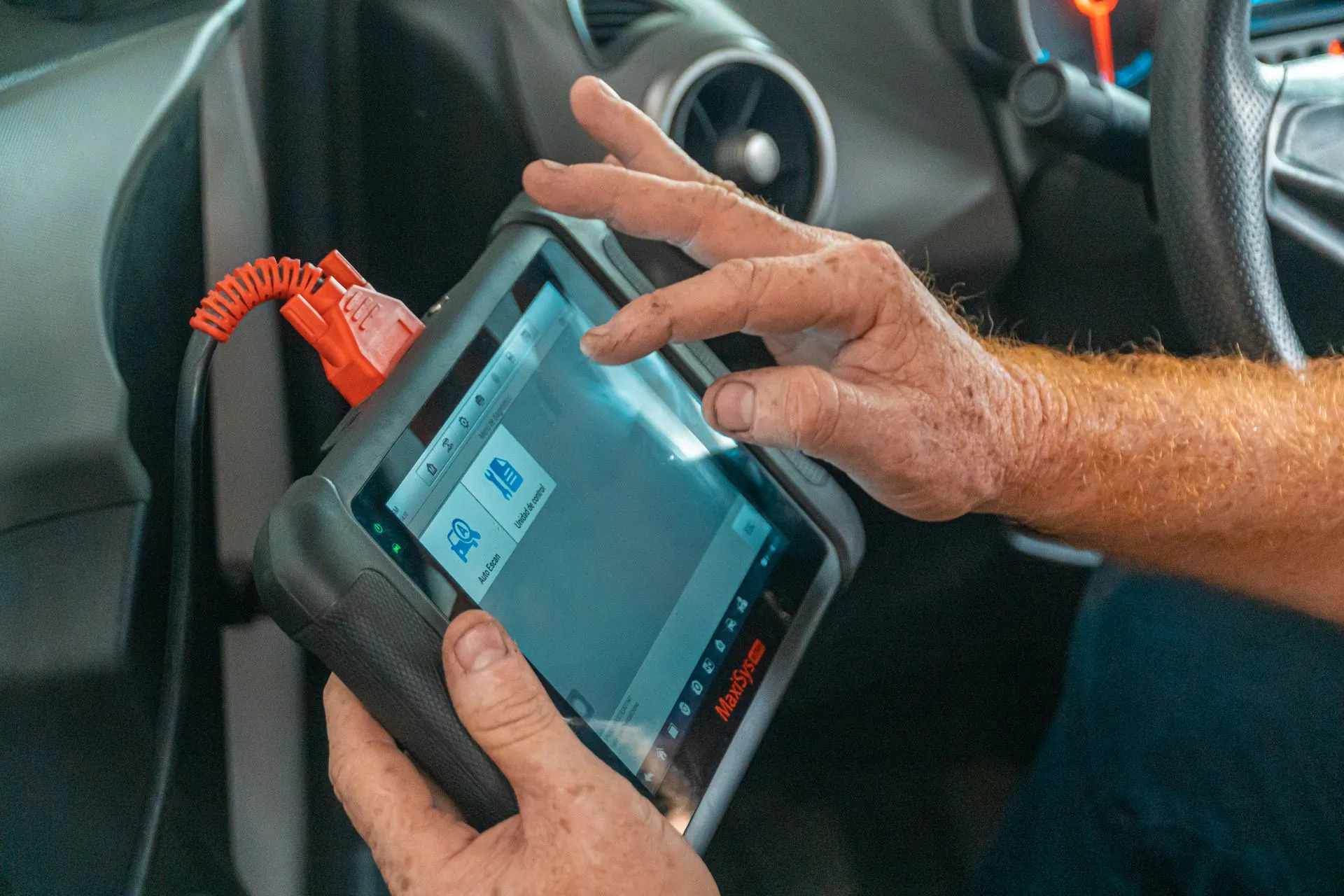
- Software or relearn work. Some vehicles need a scan tool relearn or software setup after an engine change. Ask the shop if yours does.
The most expensive mistake: ordering the wrong engine
A wrong or misdiagnosed order can cost more than anything else on this list. Under the State Auto Parts refund and return policy, returns and cancellations carry a 25% handling and processing fee, and on a mis-ordered or misdiagnosed part the customer also pays freight both ways. Labor, installation, towing, rental vehicles and diagnostic time are not reimbursed. On a $5,000 engine, that fee alone is $1,250.
Match the engine with your VIN and engine code before you buy. Our guide on how to match a used engine to your car shows exactly how.
Putting It Together: Worked Examples
Here's how the listings above turn into a rough total. The engine price is the listing range. Labor uses the same sourced band for every row, $960 to $3,180 (8 to 20 hours at $120 to $159 an hour), because book time is vehicle-specific and we don't want to invent a number for your car. Delivery is free to a commercial address.
| Engine (listing) | Engine price | Labor band | Engine + labor |
|---|---|---|---|
| 2023 Nissan Rogue 2.5L | $1,893–$2,082 | $960–$3,180 | $2,853–$5,262 |
| 2023 Toyota Camry 2.5L | $3,177–$3,495 | $960–$3,180 | $4,137–$6,675 |
| 2023 Ford F-150 5.0L | $5,208–$5,729 | $960–$3,180 | $6,168–$8,909 |
| 2022 Chevy Silverado 1500 5.3L | $7,024–$7,726 | $960–$3,180 | $7,984–$10,906 |
| 2019 Jeep Grand Cherokee 6.2L | $14,842–$16,326 | $960–$3,180 | $15,802–$19,506 |
Add $250 if the engine goes to a home address, plus the related parts, fluids, fees and tax from the sections above. Replace the labor band with your shop's real quote as soon as you have one.
Is It Worth Replacing the Engine?
The cost only makes sense next to the value of the vehicle. A simple way to decide:
- Look up what the vehicle is worth with a working engine, using a pricing guide such as Kelley Blue Book or Edmunds.
- Get the all-in replacement number from your shop, including the related parts.
- Check the rest of the vehicle. Rust, a slipping transmission, worn suspension or a failing AC system are all future bills on top of the engine.
- Compare against replacing the vehicle, including taxes, fees and the higher insurance and payments that often come with a newer car.
- Consider the alternatives. A rebuild or a remanufactured engine costs more but can make sense for some vehicles. Our guide on used vs rebuilt vs remanufactured engines compares them.
How to Get an Accurate Quote
Before you order anything, get this from your shop in writing:
- The book labor time for your exact vehicle and engine
- Their hourly rate
- Whether the quote assumes a long block or a more complete engine, and what parts they'll transfer
- An itemized list of related parts, fluids and supplies
- Disposal fees, shop fees and tax
- Whether your vehicle needs any software or relearn work after the swap
- When they can install it
That last question matters because the State Auto Parts warranty requires installation within 10 business days of delivery. Don't schedule delivery until the shop has a bay ready.
Then get the engine's details from the seller: the exact engine code it matches, donor mileage, grade, what's attached, delivery cost to your address, and the written warranty terms. Our checklist on what to look for when buying a used engine covers the questions to ask.
Bottom Line
Used engine replacement cost is the engine price plus the labor to install it, with delivery, related parts and fees on top. Published data puts the median used engine at $2,400 and typical labor at 8 to 20 hours at rates that are often $120 to $159 an hour, but your vehicle, engine option and shop decide where you land. Get the shop's book time and rate first, price the exact engine your VIN calls for, and add up every line before you order.